
Someone owes you money, and you are tired of chasing
If you are reading this at 11pm on a Tuesday, you have probably been chasing the same debt for months. A client who went quiet after the invoice. A tenant three months in arrears. A friend who borrowed S$20,000 and stopped replying. For a small business, that is not an abstract problem; it is cash flow you cannot use.
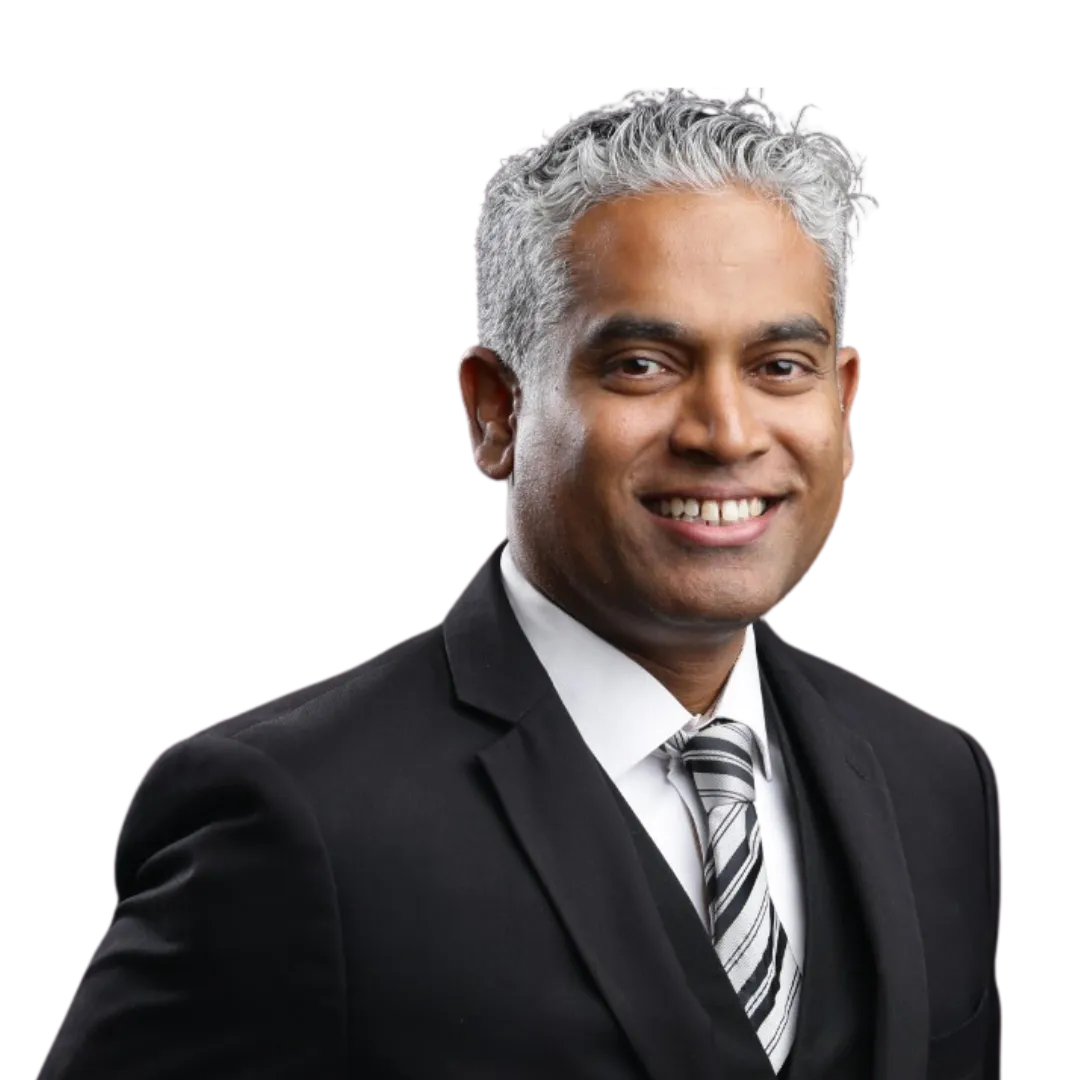
I’m Roy. I handle debt recovery at A.W. Law LLC in Chinatown. I have sat across from small business owners, landlords, and private individuals with exactly that tired look. In Singapore, the law gives you real tools to recover what you are owed. The trick is picking the right one for your situation, and using it early enough to matter.
The first 10 minutes are free, and nothing commits you.
What debt recovery in Singapore actually is
Debt recovery is the legal process of getting back money someone legally owes you. Unpaid invoice, rental arrears, personal loan, director’s guarantee, contractor’s fee. As long as the debt is real and provable, Singapore law lets you pursue it.
Unlike criminal matters, debt recovery is civil law. That means the police do not get involved (except in rare cases of fraud). You take the matter to court, you prove the debt, and the court orders the debtor to pay. If they still refuse, you enforce the judgment. There are legal ways to chase a debt and lines you must not cross: our guide on how to recover a debt legally without breaking the law covers what you can and cannot do.
Clients often ask whether to hire a debt collection agency instead. A debt collector can chase and remind, but only a court can compel payment. If the debtor simply refuses, the agency route ends exactly where the legal recovery process begins.
The main laws that matter:
- The Contracts Act (for proving the debt existed).
- The Limitation Act (the 6-year deadline).
- The Rules of Court 2021 (how civil claims are filed).
- The Insolvency, Restructuring and Dissolution Act (bankruptcy, winding up, the statutory demand process, and the S$15,000 threshold).
The venue depends on size:
- Small Claims Tribunals. For debts of S$20,000 or less (or up to S$30,000 if both sides agree in writing). No lawyer needed. Filing fees under S$100. Fast.
- Magistrate’s Court (part of the State Courts). For debts up to S$60,000.
- District Court (also State Courts). For debts between S$60,000 and S$250,000.
- High Court. For debts above S$250,000, or for bankruptcy and winding up applications.
Small Claims has a catch. It does not cover personal loans between friends. Only trade-type debts (goods sold, services rendered, rent arrears). For personal loans, even if it is only S$5,000, you have to file at the Magistrate’s Court.
When legal action is worth it, and when it is not
Before I take a debt recovery matter, I ask four questions.
- Is the debt provable? A signed contract is best, but WhatsApp messages, emails, invoices, and bank transfer records work too. If it was a verbal deal with no paper trail, your case is weaker.
- Can the debtor actually pay? Winning a judgment you cannot enforce is a waste of money. We do basic checks. Does the debtor own property, run a business, have steady income? If they are truly broke, bankruptcy will not help you recover a cent.
- Is the debt still within 6 years? Under the Limitation Act, you have 6 years from when the debt fell due. Wait too long and you lose the right to sue, even on a real debt.
- Is the amount worth the cost? For debts under S$5,000, Small Claims Tribunals is cheap enough to make sense. For debts between S$20,000 and S$60,000, a civil suit usually is. For amounts in between, we work through the math with you at the first meeting. Sometimes the honest answer is: send one strong letter, and if that fails, walk away.
Our post on when to hire a lawyer for debt recovery walks through the same call, so you can weigh it before the meeting.
The three situations we see most often:
- The debtor can pay but is stalling. A lawyer’s letter of demand usually solves this in 2 to 4 weeks. This is the cheapest recovery of all.
- The debtor disputes the debt. We file at court, exchange documents, often settle at mediation. Takes 3 to 9 months.
- The debtor is hiding or insolvent. Harder. We may need to trace assets, or issue a statutory demand to trigger bankruptcy or winding up. This is where experience matters.
If the debt involves a broken agreement rather than a straight unpaid invoice, a breach of contract claim may fit better. For commercial disputes over the terms themselves, see contract disputes.
What to expect
How long it takes.
A letter of demand resolves things in 2 to 3 weeks when it works. Small Claims Tribunals usually runs 6 to 10 weeks from filing to decision. A contested civil claim at the State Courts takes 6 months for a simple case, longer if the defence is strong. Enforcement (writs, garnishee, bankruptcy) adds another 2 to 6 months.
How much it costs.
Realistic Singapore fees for a straightforward matter:
- Letter of demand: S$300 to S$600 flat.
- Small Claims Tribunals filing: under S$100, no lawyer fee (you represent yourself).
- Magistrate’s or District Court civil suit, uncontested: S$2,500 to S$6,000 all-in to judgment.
- Contested civil trial: S$8,000 to S$25,000 or more, depending on complexity.
- Bankruptcy or winding up application: S$3,500 to S$7,000 plus court fees.
- Enforcement (writ of seizure and sale, garnishee order): S$1,500 to S$3,500 per action.
We quote a written fee cap before any paid work starts. For simple matters, we often agree a flat fee per stage. Some costs can be recovered from the debtor if you win, but the court usually awards only part of what you actually spent.
What is the hard part.
Two things. One, the emotional cost. Chasing a debt drags on, and dealing with a debtor who ignores you is draining. Two, the uncertainty. Even a strong case can hit a dead end if the debtor has no assets. We tell you upfront when that looks likely, so you can decide whether to press on or accept the loss.
For a walk-through of enforcement after judgment, see our guide on enforcing a court judgment in Singapore.
How we handle debt recovery at A.W. Law
A few things we do differently:
- One lawyer, from letter to enforcement. Roy handles your matter end to end. No handover between associates.
- Flat fees where possible. Letters of demand, filings, and standard enforcement steps are quoted at fixed prices, so you know the cost before you commit.
- Honest cost vs. recovery read. If the math does not work, we say so at the first meeting. We do not push litigation that will cost you more than it recovers.
- Letters you can actually read. Every court document we send for you is explained in simple terms first.
- WhatsApp until 10pm on weekdays. Small business owners chasing debts do not finish work at 6pm. Neither do we.
- English, Malay, or Tamil. Whichever you are comfortable in.
We are at 133 New Bridge Road, #20-03 Chinatown Point. Two minutes from Chinatown MRT, Exit E.
What happens next
If someone owes you money, the next step is simple. Book a free 10-min Debt Recovery Discovery Session using the form on this page, or WhatsApp us using the button anywhere on the screen.
Nothing commits you. By the end of the session, you will know which path fits (letter of demand, Small Claims, civil suit, or bankruptcy), a realistic fee estimate for each, and what the first 30 days will actually look like.