
If you’re reading this, you’re probably already decided
If you’re searching for a divorce lawyer at 11 o’clock on a Tuesday night, you’re probably not shopping around. You’ve been thinking about this for months.
I’m Wahab. I run A.W. Law LLC in Chinatown, and I’ve sat across my desk from many people with that same tired look you probably have right now.
This page is for you if the marriage is really over and you want to know what happens next, in plain words. If you’re still not sure, the first 10 minutes are free, and nothing commits you.
What a divorce in Singapore actually is
A civil divorce ends a marriage legally. In Singapore, it’s handled by the Family Justice Courts: the courts that deal with marriage, divorce, and children matters. The main law is the Women’s Charter, which sets out the rules.
If both of you are Muslim, your divorce goes through the Syariah Court instead. That’s a completely different process. See our Syariah Divorce page.
To file a civil divorce, you must show two things.
First, the marriage is over for good. The law calls this “irretrievable breakdown.” It’s a fancy way of saying the marriage can’t be fixed. You prove it by picking one of these six reasons (the law calls them the “six facts”):
- Adultery. Your spouse slept with someone else.
- Unreasonable behaviour. You can’t reasonably be expected to keep living with them. This is the reason we file under most often.
- Desertion. Your spouse left and stayed away for at least 2 years.
- Separation with agreement. You’ve lived apart for 3 years and both of you agree to divorce.
- Separation without agreement. You’ve lived apart for 4 years. Your spouse’s agreement is not needed.
- Divorce by mutual agreement. Since 1 July 2024, you and your spouse can jointly agree the marriage is over, without either of you having to blame the other. You file a short written agreement setting out why, what you tried, and your plans for the money and the kids. See our guide to divorce by mutual agreement, the new 6th fact.
For a fuller walk-through of what each one needs, read our explainer on the six facts for divorce in Singapore.
Second, you meet two conditions. You must have been married for at least 3 years. At least one of you must be a Singapore citizen, or have lived in Singapore for at least 3 years just before filing.
A divorce has two parts:
- The divorce itself: ending the marriage.
- The “ancillary matters”: the practical decisions that come with the divorce. The court decides custody of the children and monthly support, and how shared property like the HDB flat, CPF, and savings gets split.
Both parts are handled together in most cases.
When divorce is the right answer in Singapore
Before I take on any matter, I ask a few questions. Our blog post on 5 signs it might be time for a divorce covers the softer side of this decision in more depth.
- Have you actually talked to your spouse? A real conversation, or a session with a counsellor, sometimes sorts things out. Mediation (a neutral person helping you work it out) can also help.
- Is there any chance of fixing it? Singapore courts do encourage couples to try reconciliation where possible. If you’re not sure, it’s okay to slow down.
- Is it safe at home? If there’s hitting, threats, or someone controlling your money or movements, tell me at the meeting, even if you’re not sure it counts. A Personal Protection Order may come first.
- What’s your practical picture? Where will you live? How will the bills get paid? What about the kids’ school? These day-to-day things shape your timeline more than the law does.
The three situations we see most often:
- Both of you agree. This is the fastest route. Simple track, with less court time and less stress.
- One of you wants out, the other doesn’t. Usually filed under unreasonable behaviour. Expect more back-and-forth.
- Complicated: you have a business together, big savings, or you’re fighting over the kids. This is the full contested track, with written statements (called “affidavits”) and hearings. It can take 1 to 2 years. Our post on contested vs uncontested divorce explains the difference and what tips a case from one to the other.
What to expect from a Singapore divorce
I’d rather tell you the truth now than have you surprised later.
How long it takes.
If you both agree on the divorce and on all the ancillary matters, it’s usually 4 to 6 months from filing to done. If you disagree, it’s usually 6 to 18 months. Sometimes longer if assets are complex or custody is fought hard. The court also makes you wait at least 3 months between the Interim Judgment (the court saying “yes, you can divorce” in principle) and the Final Judgment (when it’s official). There’s no way to go faster than that.
How much it costs.
A simple divorce where you both agree is usually S$1,800 to S$3,500 all-in, including court fees. A contested divorce (fights over kids or money) costs more. We give you a written price cap before we start, so there are no surprise bills. The 10-min Divorce Discovery Session is always free. By the end of it, you’ll know roughly what your case will cost. If you qualify on income, the Legal Aid Bureau can help pay for some of it. I’ll flag this during the session if it applies to you.
What’s the hard part.
Two things, consistently.
One, the money and assets part. You have to show payslips, CPF statements, bank accounts, and HDB documents. It feels like your life is being inspected. That’s normal, and it’s part of the process. We don’t share more than we need to.
Two, if you have kids, it’s emotionally hard, even when both of you agree on everything. We’re lawyers, not counsellors. We know good ones in Singapore who can help if you want an introduction.
How we handle divorce at A.W. Law
I’ve run divorce matters in Singapore, civil and Syariah both, since I was admitted to the Singapore Bar in 2015. A few things we do differently:
- One lawyer, from start to end. No passing you around between associates. Whoever takes your first meeting handles your case all the way through to Final Judgment.
- Letters you can actually read. Every document you sign will be explained to you in simple terms. No 20-page contract with “just sign here.”
- We reply at night. WhatsApp us until 10pm on weekdays. Life doesn’t stop at 6pm, especially when you’re going through this.
- Speak your language. English, Malay, or Tamil. Whichever you’re comfortable in.
- No pushing. If I think mediation or counselling is a better answer than filing, I’ll say so, even if it means less work for us.
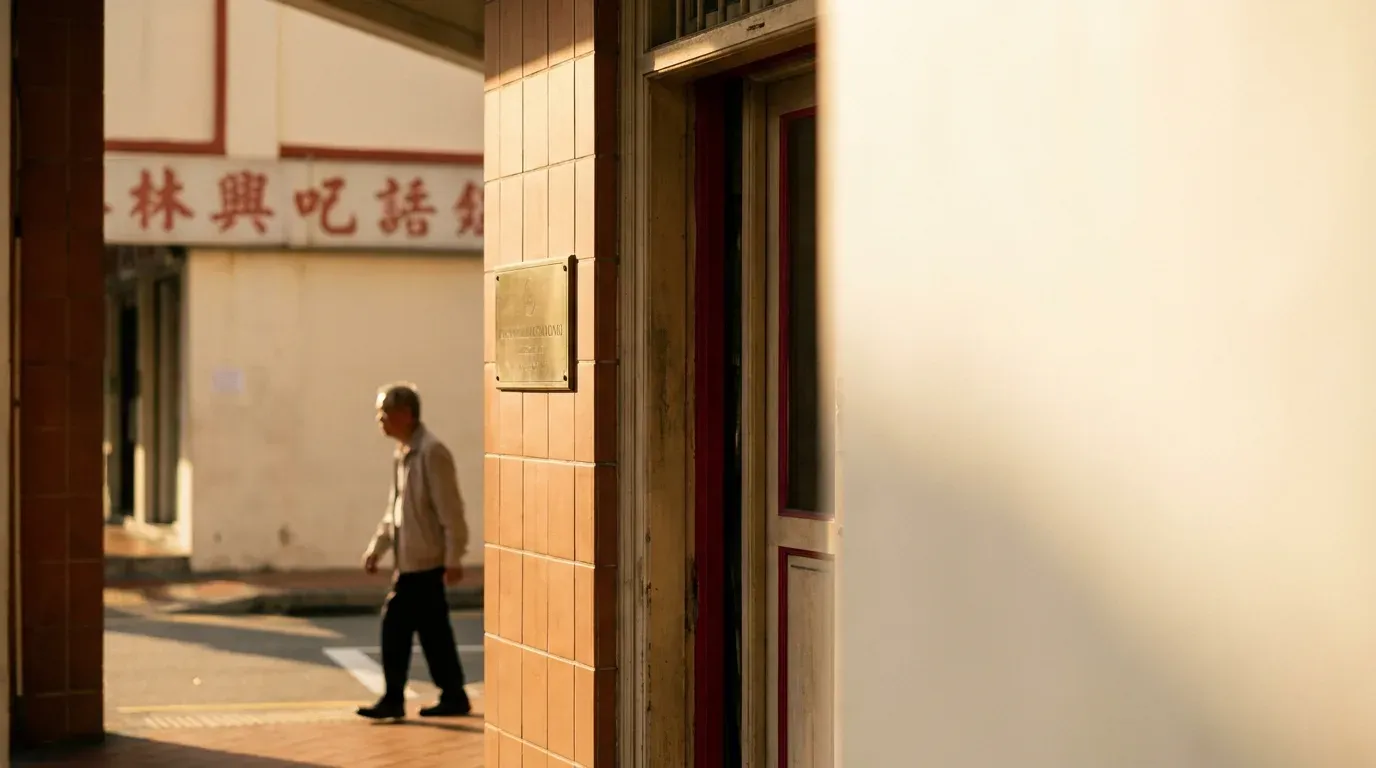
We’re at 133 New Bridge Road, #20-03 Chinatown Point. Two minutes’ walk from Chinatown MRT, Exit E. Walk in most afternoons between 2pm and 5pm on weekdays.
What happens next
If the marriage is over, the next step is simple. Book a free 10-min Divorce Discovery Session using the form on this page, or message us on WhatsApp using the button anywhere on the screen.
Nothing commits you. Most sessions end with a short list of things for you to gather (papers to find, a conversation to have at home) before any paperwork starts. You’ll leave knowing the likely timeline and cost, and what the next 3 months will actually look like.