

A.W. Law LLC — Advocates & Solicitors

Debt Recovery · 4 min read

Bankruptcy in Singapore: What Actually Happens

A Singapore lawyer on bankruptcy: the S$15,000 threshold, the Debt Repayment Scheme, what a bankrupt can and cannot do, and how discharge really works.

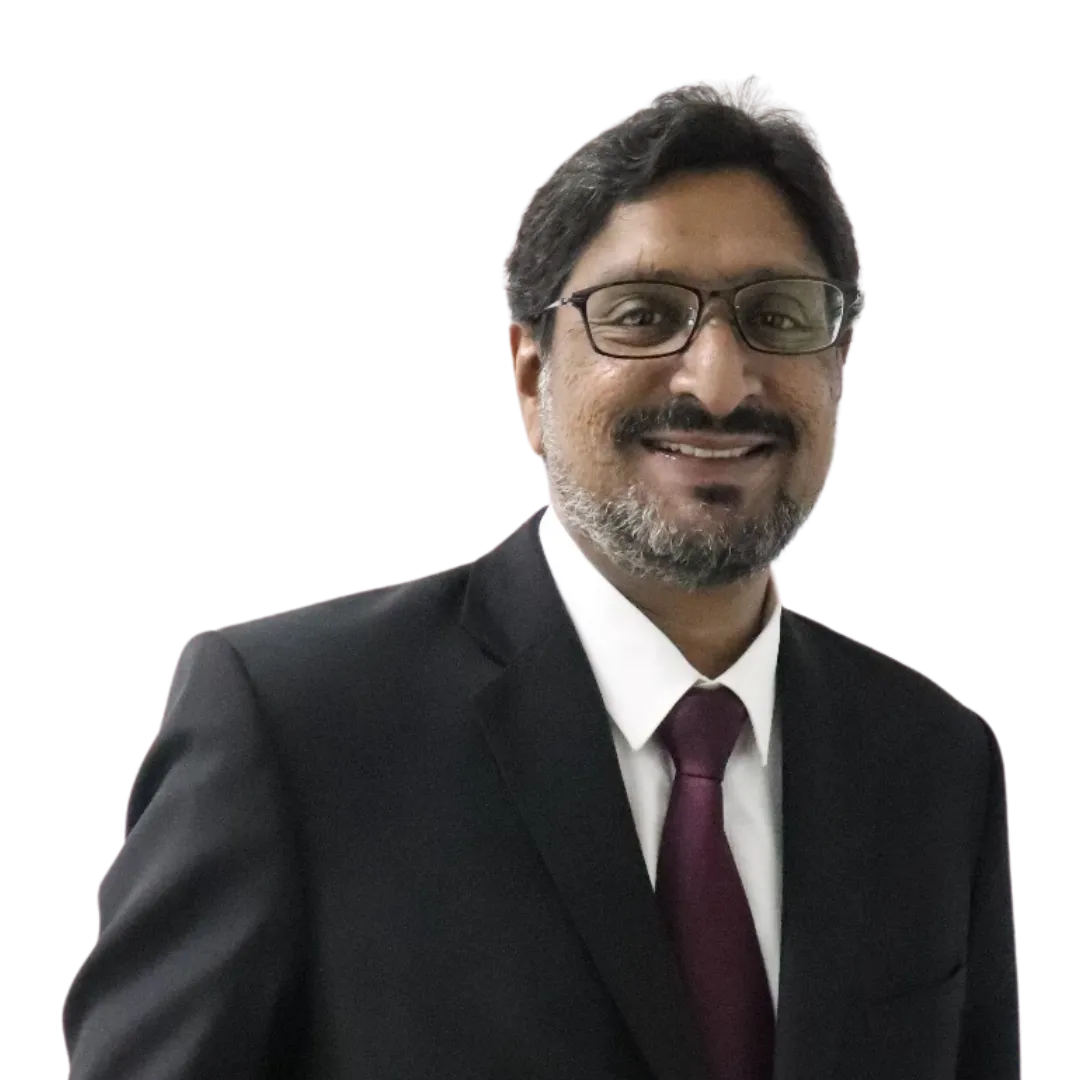
Roy Paul Mukkam — Associate Director at A.W. Law LLC

Written by

Roy Paul Mukkam · Associate Director

4 min read

Share
An older Singaporean couple reading a document together at a wooden table
On this page· 6 sections
  1. 01What bankruptcy actually is
  2. 02How a creditor gets there
  3. 03If you are the debtor: the Debt Repayment Scheme
  4. 04Getting out: how discharge works
  5. 05What bankruptcy does not do
  6. 06What to do next

Bankruptcy in Singapore starts at a specific number: a creditor can apply to make you bankrupt if you owe at least S$15,000 and cannot pay, under the Insolvency, Restructuring and Dissolution Act 2018. What follows is far more structured than most people expect, and there is an off-ramp, the Debt Repayment Scheme, that many debtors qualify for and never hear about until it’s too late.

I’m Roy. I’m an Associate Director at A.W. Law LLC and my practice covers bankruptcy and insolvency from both seats: creditors trying to recover, and debtors trying to survive the process. This post is written for both.

What bankruptcy actually is

Bankruptcy is a court order declaring that an individual cannot pay their debts. It is not a status you fall into by owing money; it requires an application, usually by a creditor, and a court order. Once made:

  • Your assets vest in the Official Assignee (or a private trustee), who may sell them to pay creditors.
  • You must contribute monthly from your income and file statements of your affairs.
  • Restrictions attach: no overseas travel without permission, no acting as a company director or managing a business without court approval, and disclosure obligations when taking credit.
  • Creditors generally stop chasing you directly; claims go through the administration instead.

The governing law is the Insolvency, Restructuring and Dissolution Act 2018 (IRDA), administered by the Insolvency Office at the Ministry of Law.

How a creditor gets there

The standard sequence, and the one I run for creditor clients:

  1. A letter of demand. Often enough on its own. Our post on letters of demand in Singapore covers what makes one work.
  2. A statutory demand for a debt of at least S$15,000. The debtor has 21 days to pay, secure, or compound the debt.
  3. The bankruptcy application, if the demand goes unsatisfied. Failure to meet a statutory demand raises a presumption that the debtor cannot pay.
  4. The order, followed by administration by the Official Assignee or a private trustee.

Two honest observations from practice. First, most statutory demands never become bankruptcy applications: the demand itself moves debtors who had been ignoring letters for months. Second, bankruptcy is a poor recovery tool where the debtor has no assets. It stops the bleeding and imposes discipline, but the creditor who wants money back should look hard at enforcing a judgment first.

If you are the debtor: the Debt Repayment Scheme

This is the section I most want debtors to read. If your total debts do not exceed S$150,000, you may qualify for the Debt Repayment Scheme (DRS): a court-supervised repayment plan of up to 5 years, administered by the Insolvency Office, that lets you repay without ever becoming a bankrupt. Complete the plan and you’re released from the covered debts, with none of the bankruptcy restrictions and none of the stigma.

The DRS is assessed after a bankruptcy application is filed but before an order is made, which means timing matters enormously. A debtor who engages early, discloses honestly, and shows a realistic repayment capacity is in a very different position from one who ignores the papers until the hearing.

Getting out: how discharge works

Bankruptcy is meant to end. Under the IRDA, a first-time bankrupt faces discharge tracks of 3, 5, or 7 years, and a repeat bankrupt 5 to 9 years. What determines where you land:

FactorEffect
Meeting your Target ContributionThe main lever for the shortest track
Consistent monthly paymentsWeighs heavily in the Official Assignee’s assessment
Full, honest disclosure of assets and incomeNon-disclosure extends bankruptcy and can be an offence
Creditor objectionsCan push discharge to a longer track

The Target Contribution is calculated from your income and reasonable family expenses. In my experience, the bankrupts who exit fastest are not the ones with the most income; they’re the ones who report changes honestly and never quietly stop paying.

What bankruptcy does not do

Three misconceptions worth clearing:

  • It doesn’t erase every debt. Certain obligations, including maintenance ordered under family proceedings, are not simply wiped out. If you’re facing both, read our post on maintenance enforcement alongside this one.
  • It doesn’t automatically cost you your job. Employment generally continues, though directorships and some regulated roles are restricted.
  • It doesn’t last forever. Discharge is the designed endpoint, and life after it is genuinely normal.

What to do next

If you’re a creditor owed S$15,000 or more, the statutory demand is your pressure point, and it needs to be correctly drafted and served to be worth anything. If you’re a debtor who has received one, the 21-day clock is already running and the DRS question should be answered this week, not next month.

The first ten minutes with us are free. Book a Debt Recovery Discovery Session and we’ll tell you honestly which side of this process you’re on and what the realistic outcome looks like, in English, Malay, or Tamil.


Frequently asked

Short answers to the next questions.

How much debt makes you bankrupt in Singapore?

A creditor can apply to make you bankrupt if you owe at least S$15,000 and cannot pay. That threshold comes from the Insolvency, Restructuring and Dissolution Act 2018. Owing that much does not make you bankrupt by itself: a court order does, usually after a statutory demand you failed to satisfy within 21 days. Below S$15,000, creditors must use ordinary debt recovery instead.

What is the Debt Repayment Scheme in Singapore?

The Debt Repayment Scheme (DRS) is an alternative to bankruptcy run by the Insolvency Office for debtors whose total debts do not exceed S$150,000. Instead of being made bankrupt, you repay under a court-supervised plan lasting no more than 5 years. Completing it releases you from the covered debts without ever becoming a bankrupt, which is why it's worth raising early rather than after an order is made.

What can't you do as a bankrupt in Singapore?

You cannot travel overseas without the Official Assignee's permission, act as a company director or manage a business without court approval, or take credit above a set limit without disclosing your status. Your assets vest in the Official Assignee, who may sell them for creditors, and you must contribute monthly from your income and report your finances. Employment is generally unaffected, though some regulated professions have their own rules.

How long does bankruptcy last in Singapore?

For a first-time bankrupt, the law sets discharge tracks of 3, 5, or 7 years, depending on whether you meet your Target Contribution and whether creditors object. Repeat bankrupts face 5 to 9 years. The single biggest factor within your control is paying the monthly contribution consistently, because the Official Assignee weighs conduct and contribution when deciding on discharge.

What is a target contribution in bankruptcy?

The Target Contribution is the total amount the Official Assignee expects you to pay into your bankruptcy estate for creditors, worked out from your income and reasonable family expenses and collected as monthly instalments. Meeting it in full is what puts you on the shortest discharge track. Falling behind extends the bankruptcy, so if your income drops, report it rather than quietly missing payments.

Can I stop a bankruptcy application against me in Singapore?

Sometimes. If the debt is genuinely disputed, or the statutory demand was defective or wrongly served, the application can be challenged. If the debt is real, the practical routes are paying or securing it, negotiating a settlement with the creditor before the hearing, or qualifying for the Debt Repayment Scheme where the debts are under S$150,000. All of these work far better before the order is made than after.

A short word from Roy Paul Mukkam

Still reading? Then this matter is on your mind.

Most debt recovery questions don't need a lawyer at all. The 10-min Discovery Session is the fastest way to find out if yours does.

Free · 10 minutes · No commitment · Mon – Fri 9am – 10pm SGT

About the author

Roy Paul Mukkam

Associate Director, A.W. Law LLC

I'm Roy Paul Mukkam. If any of this sounds close to your situation, the first ten minutes with me are free. We'll talk through whether you actually need a lawyer, and what it would look like if you did.

LL.B. (Hons), University of Warwick (2006)
Advocate & Solicitor, Singapore Bar (2013)
Speaks English, Malay, Malayalam
Read Roy Paul Mukkam's full bio

Need help with this?

How we handle this matter

Reading is one thing. If you'd like the specifics of your situation, a free 10-min Discovery Session is the next step.

Keep reading

All articles →

What clients say

Verified Google reviews

Get in touch

Have a question? Start a conversation.

First consultations are free and obligation-free. We respond within one business day — usually faster.

Message us on WhatsApp

Replies weekdays until 10pm

Opens WhatsApp in a new tab with your message pre-filled. By submitting, you agree to receive WhatsApp messages from A.W. Law about your enquiry.

Book your free 10-min Discovery Session

Wahab will read your details this evening and reply within one business day.

Free 10-min call · no commitment · your details stay private

Send us an email

We read every message and reply within one business day.

Replies in English, Malay, Tamil, or Vietnamese · your details stay private