When your marriage crosses more than one border
You married in one country, live in another, and own things in a third. Now the marriage is ending, and everyone has told you something different about where you can file and what you might get.
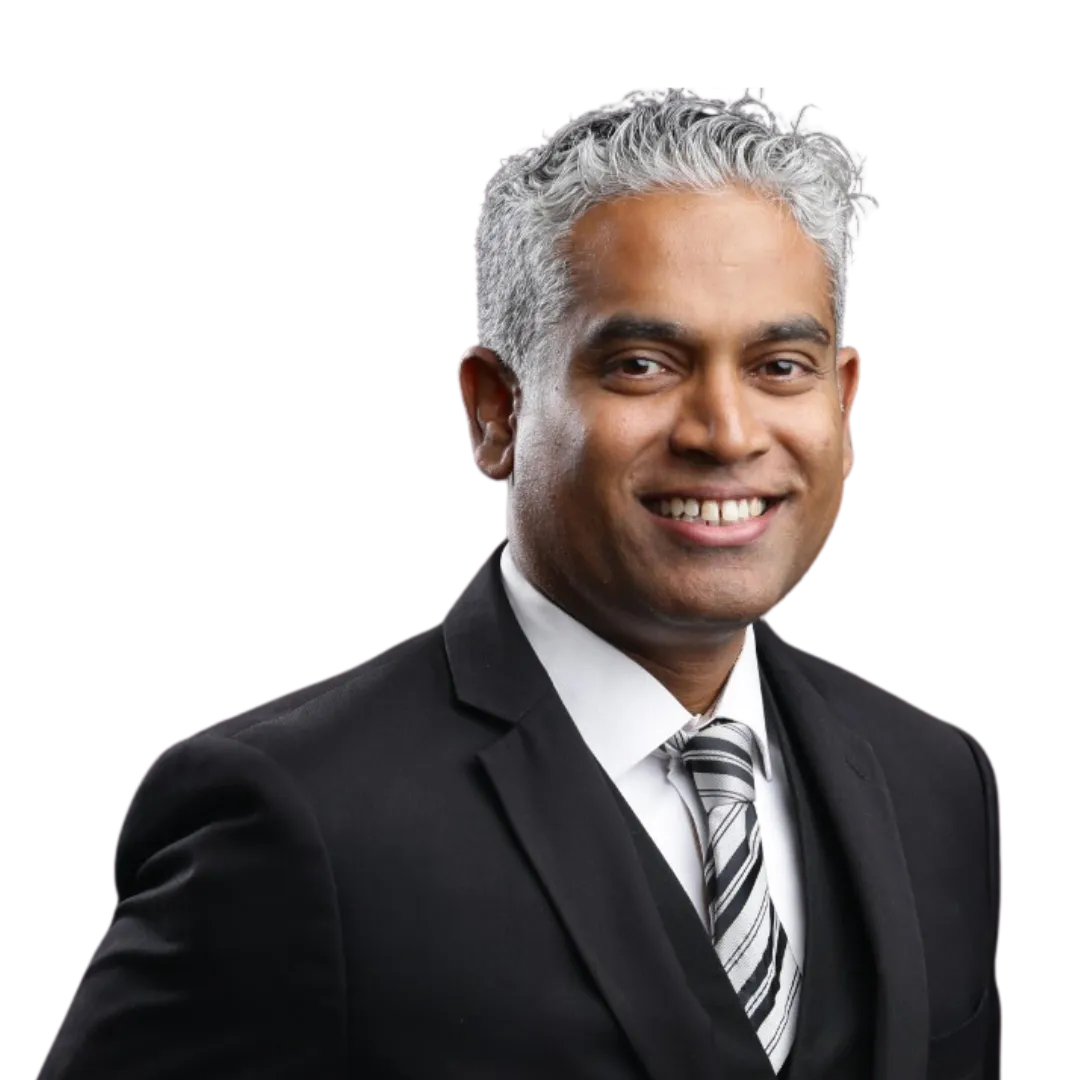
I’m Wahab. I run A.W. Law LLC in Chinatown, and cross-border matrimonial work is a steady part of my practice: expatriate couples in Singapore, Singaporeans married to foreign spouses, and families whose money and children sit across two or three jurisdictions.
The first 10 minutes are free, and nothing commits you.
What makes a divorce in Singapore an international one
Nothing formal. The label just means the case has a foreign element that changes the strategy, and usually it’s one of these:
- Jurisdiction is a real question. Whether the Singapore court can hear the case at all, and whether it should.
- One spouse is a foreigner, or both are, living here on passes.
- Assets sit outside Singapore: property, pensions, accounts, a business.
- Children have ties elsewhere, including citizenship, schooling, or grandparents abroad who expect them to visit.
- Proceedings have already begun in another country.
Each one changes what should be done first. And in international matters, the order of steps often matters more than the arguments themselves.
Can the Singapore court hear your divorce
The Family Justice Courts have jurisdiction over a divorce under the Women’s Charter where, at the start of proceedings, either spouse is domiciled in Singapore, or has been habitually resident here for at least 3 years immediately before filing.
Two things people get wrong about this. Citizenship is not the test: plenty of foreign nationals qualify through the residence route, and plenty of Singaporeans living abroad for years do not automatically qualify through domicile. And the 3-year period is about habitual residence, not about how long the pass has been stamped.
If both of you are Muslim and married under Muslim law, the case goes to the Syariah Court instead. Our Syariah divorce page covers that route, and our post on Muslim divorce for foreigners in Singapore deals with the cross-border version of it.
Choosing the forum, when there is a choice
Where two countries could both hear your divorce, the choice of forum is the most consequential decision in the case. Jurisdictions differ sharply on:
| Issue | Why the forum matters |
|---|---|
| Division of assets | Some systems split near-equally; others weigh contributions, as Singapore does under section 112 |
| Spousal maintenance | Duration and generosity vary enormously between countries |
| Pensions and retirement savings | Treatment of CPF, and of foreign pensions, differs by system |
| Children | Relocation and access are approached differently, which matters if one parent plans to move home |
| Speed and cost | A cheap fast forum is worth little if its orders cannot be enforced where the assets are |
Where a case could go either way, courts look at which forum is the more appropriate one for the dispute, weighing where the parties, the assets, and the evidence actually connect. Timing plays into it, which is why a spouse who suspects a filing abroad is imminent should get advice the same week rather than the next month.
Assets in more than one country
The Singapore court can take foreign assets into account when dividing matrimonial assets, and it can make orders directed at the parties themselves. What it cannot do is reach directly into another country’s land registry. The practical solution is usually structural: adjust the Singapore-side division to reflect what each spouse retains abroad, so the overall outcome is fair and can actually be implemented.
Two recurring complications worth flagging early:
- Disclosure across borders. Foreign accounts and holdings still have to be disclosed. A spouse who treats an overseas account as invisible is running the risk described in our post on hidden assets in a Singapore divorce, where the court can draw an adverse inference.
- Enforcement. An order that reads well in Singapore but cannot be executed where the property sits is a bad outcome dressed as a win. We draft with that in mind, and coordinate with local counsel where needed.
Our page on the division of matrimonial assets explains the underlying exercise the court runs.
Children, passes, and life after the order
Two issues come up in nearly every international matter:
- Relocation. One parent usually wants to go home. That is a custody question rather than an immigration one, and the court decides it on the child’s welfare. Our child custody page and our guide to parental relocation after divorce cover it.
- Immigration status. A pass sponsored by a spouse is tied to that relationship, and what follows a divorce is discretionary. Our post on child citizenship and residency after divorce covers the children’s side.
If a child has already been taken out of Singapore without consent, that is urgent and different: act within days, not weeks.
What to expect, honestly
How long it takes. An uncontested international divorce runs 5 to 12 months, similar to a domestic one once jurisdiction is settled. Where jurisdiction itself is contested, or a foreign case is running in parallel, add months and expect a harder first phase.
How much it costs. Uncontested matters sit in the same range as an ordinary uncontested divorce. Contested jurisdiction, overseas asset tracing, or coordination with foreign counsel push fees higher, and we quote in writing before each phase rather than presenting one alarming number at the start. The 10-min International Divorce Discovery Session is free.
What’s hard. The uncertainty, mostly. In the early weeks you may not know which country will hear the case, and that unknown sits on top of everything else. We narrow it as fast as the facts allow, and we tell you plainly when Singapore is not the better forum for you, even though that means sending the work elsewhere.
How we handle international matters at A.W. Law
- Forum first. Before anything is filed, we work out where the case belongs. That single conversation changes more outcomes than any pleading.
- Coordination abroad. We work alongside your lawyer in the other country so the two sets of orders fit rather than fight.
- Five working languages. English, Malay, Mandarin, Tamil, and Vietnamese, with translation staff on hand for each, so the person deciding their future understands every document.
- Orders drafted for enforcement, not just for filing.
- WhatsApp until 10pm on weekdays, which helps when one of you is in another time zone.
We’re at 133 New Bridge Road, #20-03 Chinatown Point. Two minutes’ walk from Chinatown MRT, Exit E.
What happens next
Book a free 10-min International Divorce Discovery Session using the form on this page, or message us on WhatsApp.
Bring your passports, the marriage certificate, a rough list of assets by country, and any papers from proceedings abroad. You’ll leave knowing whether Singapore can hear your case, whether it should, and what the realistic route looks like. Nothing commits you.